Author Archives: Terralíngua

The Dilemma of Document Translation

The Dilemma of Document TranslationImagine this scenario: your product launch has a tight budget. One line item is preparing the multi-lingual documentation. You have a quote in hand from a professional company, but you are wondering about translation alternatives other than using a professional multi-lingual provider. These options have important considerations that may save you money up front, but in the long run have more cost not only to your bottom line but also to your reputation.

If someone in the office (or a distributor) does it…

It is often tempting to have someone in the office who speaks another language help with translation. Though he or she might be able to take phone calls or write an email, is this person adequately qualified to translate important documents? Undoubtedly less expensive than a professional service, the adage often rings true, “you get what you pay for”.

There are also many questions to consider. Is the person qualified to handle the material with the proper education, background and experience? Is there fluency not only in English but in the target language? Will this person know the native lingo or the industry specific preferential terms? How are the writing, grammar and spelling abilities of this person? Who will review their translation before going to print? Will this person be able to handle this responsibility along with other job duties? What if the person modifies or removes content? Can this person complete the formatting required to match the original? What if there are errors that cause a safety, liability or reputation issue, how will your company show due diligence? Will the individual have the tools to work with the file that a professional translator would have?

Sometimes this option has a happy ending. Unfortunately, though, unhappy endings are all too possible as demonstrated by the story of a company that asked a distributor to complete a translation project. The distributor had other job duties and by the time he completed the work, it was many months after the needed date. The company also discovered that content was missing from the final file as the distributor took it upon himself to “improve” the file and create his own version.

Though there may be drawbacks to using distributors or co-workers for a translated publication, their best contributions usually are found to be in developing a company glossary or performing technical reviewing of professional translations. The distributors or sales people using the documentation usually want an opportunity to provide their input before being asked to use newly translated content. Keeping this consideration in mind, select the most qualified for the task and ask for participation in advance based on schedule requirements.

The most important cost to consider is how the end product reflects your company’s reputation and demonstrates the client’s value by your investment in the right communication. A professional translator differs in many ways from someone who knows a language. Think about it: would you let a family member of your dentist treat you because he or she works as a hygienist and has seen the procedure a thousand times?

If an individual translator is used…

Using professional freelancers is an acceptable option as long you are dealing with someone with the right qualifications, experience and background. What education do they have? Are they native speakers? Or have they ever lived in the target country and know the proper dialect and preferential terms? Who will edit or check the work if they are working on their own? What is the quality assurance process? Will they have the proper tools to complete any desktop publishing or return in the proper formats? Can they provide a translation memory to ensure consistency if you have to use others in the future? If you need a translation into other target languages or for other geographic markets, do you have the time to coordinate with many different individual translators? Can your translator handle large volumes of words?

A professional translation company is often preferred over individuals when a company is thinking towards the future and business growth. Putting “all of your eggs in one basket” can be stressful if your individual translator has taken another job or cannot complete work due to capacity. Also an individual translator may not have the quality control protocol in place to have his or her work edited by another translator. A multi-lingual translation company versus an individual also makes life easier when you have many languages to complete. A one-stop shop is less hassle than organizing many providers.

Does your individual translator have the software and technical expertise necessary not only for this project but for the long term? One important question to ask is if the translator can create and maintain a translation memory. If so, will he or she provide a copy of the updated translation memory in case you have to use another provider? Does your translator have the desktop publishing software and ability to properly format your files and return print ready versions? Often DTP programs can be rather expensive for an individual to learn as well as to keep updated versions.

Another overlooked consideration is if the translator has professional errors and omissions insurance in place. Since humans are not infallible, it is an important safeguard not only for the translator but for your company as well.

Even well-known companies have made translation errors; some of them are rather comical. For example, in China Kentucky Fried Chicken decided to run with their English language phrase “finger-lickin’ good.” The trouble was when it was translated into Chinese it became, “We’ll eat your fingers off”, which was not quite appetizing.

However, an error can be catastrophic and lead to law suits. Take the case of a Berlin hospital’s instruction manual regarding knee prostheses. The translation was incorrect which caused a misunderstanding that cement was not needed, when in fact it was and a number of patients suffered with problems in knee prostheses.

The costs of quality control processes such as an edit by another qualified translator, proper software to complete the work and the right insurance coverage often are not factored into the “savings” of using an individual versus a professional company. The overhead associated with these items often is too much for an individual translator to bear.

It’s okay, if we use Google Translate…

There is no doubt that Google Translate has its place in the world, but should a company use it for important business documents reflecting its global reputation? Machine translation is a helpful tool to translate one word or a short sentence. It may be okay for an email, but it is not acceptable for professional publications. Though a company may not want to spend money on a professional translation until the business is established, there is never a second chance to make a first impression. Providing important information for the purpose of a business relationship should not be completed in a shoddy and confusing way. How you communicate your product to your customers speaks volumes about your company.

If a customer receives a manual or marketing material that is gobbledygook, it is unquestionably unprofessional and disrespectful. You could lose your global customers and ruin your reputation in minutes that took years to build. The translation was free but what was the overall cost?

Careful consideration of these questions will help to clarify the translation documentation dilemma and ensure that your company makes an informed decision. Translation, like all forms of communication, is more of an art than a science and should be crafted by professionals who are the right fit for your need.

______________________________

Terralingua is an ISO-certified global company that provides translation and multi-lingual desktop publishing. If you would like to know more about translation and localization, visit Terralingua and contact them to discuss your translation and localization requirements.

Simply Understood Documentation

Simply Understood DocumentationWhen developing content, writers have foremost in their minds the target audience – the people reading and using their material. Target audience familiarity with the subject matter and their familiar jargon must be considered.


However what is often not in their minds is that their content may be needed for another audience. Their words, so perfectly crafted for one target, may be translated into another language. Though the writer’s meaning may have been clear to him (or her), that assumed understanding can become muddled after translation. Cultural references which made the content relevant to one audience can create confusion to another. Vague text that could be interpreted different ways – will be.

What is a writer to do? As with many things in life, the answer is to keep it simple.

Below are simple ideas to increase comprehension and effectiveness in any language.

1) Avoid the use of idioms. You probably use idioms every day and are not aware of it. For example, have you ever used the following?

  1. – Ahead of the curve (meaning you are more advanced than the competition)
  2. – Back to square one (to start all over again)
  3. – Raise the bar (set higher standards)
  4. – Ballpark number (a rough estimate)

Do you see? Even though idioms are a good approach to informal texts, they can be hard to translate. Avoiding them, you will avoid misunderstandings.

2) Be as accurate as possible. Avoid exaggerations as well as omissions based on assumptions.

3) Brevity is key. Look at a sentence to see if words could be omitted. Could an idea be restructured in a more concise way? Not only will it improve content but this step can reduce translation costs as rates are applied per word.

4) Evaluate content for other meanings or unclear references. The best way to avoid ambiguity is to have someone outside of the industry to review the text and check their comprehension.

5) Create a style guide and rules to ensure consistent documentation practices. When establishing guidelines ensure they would apply to any language version.

6) Create a glossary both for your technical and regular terms. Even regular words may have preferential translations according to the client. And if you are not aware of how to translate them in order to create your glossary, a professional translation agency can help you out.

So get out the red pen and take a sample of your current content – marketing material or user manual. Look at it with fresh eyes to see how you could simplify your content. The resulting clarity and comprehension equals effective communication in any language.

Utilizing over a decade of industry experience, Terralingua supplies professional translation and multilingual desktop publishing to the world’s top brands. Visit our website to learn more about our ISO certified business and post a file for a free, no obligation proposal.

Seven Simple Steps to Consider when Going Global

Seven Simple Steps to Consider when Going Global

Seven Simple Steps to Consider when Going GlobalGoing global with your company’s message can seem overwhelming. However, it can be simply broken into seven essential steps when launching international markets.

Do not Use the Same Marketing Campaign across Global Platforms

Your advertising campaign might look and sound great in English-speaking countries. Is it the same somewhere else, though, like Spain or China? With printed material, remember it is not just a matter of translating the content; recognition of a country’s culture should also be considered. With other media, it is important to present material in the same spoken language used in the target market. Do not make the assumption that subtitles will be as effective as using a voiceover or an actor from that country.

Get to Know the Culture

It may seem obvious to state that spending time in the target country will give your company a significant advantage, but it should always be stressed. Through direct contact with your target audience’s people, culture and aspects of daily life, you will gain essential education as to the communication norms, customs and traditions in this market. Though having a team of professionals is important, your company’s direct interaction will ensure decision makers have a clear frame of reference and do not just rely on other’s opinions.

Use Translation Professionals

Just because someone speaks the language, it does not mean he or she can correctly or properly write in it. Communicating the same message clearly and fluently in two different languages truly is more of an art than a science. Though you may use Google translate as a quick and helpful way to understand an odd word, or ask the Spanish-speaker in the office to assist with an email, do not rely on these methods to produce professional results. Reputable translation agencies will use qualified, professional linguists that are native or have lived in the target country long enough to know the culture and the nuances of the language. The less expensive option at the onset can often end up being the most expensive in the long run, because you may have to try to correct mistakes in order to maintain your company’s reputation.

Understand Why Website Localization Is Important

Make it easy for your target audience to connect to your business by having a localized website and e-commerce presence. Having translated material and information readily available online will expedite your ability to globally communicate and sell your products and services.

Watch the Competition

In what countries have your competitors established a presence? Or are they exploring new marketplaces? If your competitors are establishing a presence in a country where you are not, investigate why. Keep abreast of where your competitors have found opportunities and ask how it could be relevant to your company’s global expansion. Observe their marketing efforts and how the target audience responds. Some investigative intelligence may be even more effective than your own market research.

Trust a Local Marketing Company

Your domestic marketing agency most likely will not understand the culture and thought processes of another country’s target audience. Establish a relationship with an in-country marketing agency before any media launches. They can assist with adapting your material in order for it to be culturally relevant. A native marketing agency will know what to say and how to say it, much better than you will.

Be Aware of Social Media Preferences

Social media is a great marketing tool. You can get to know your customers, read what they are saying about you (and your competitors) and engage with them. However, make sure you use the right platform for your market. For example, does your target audience prefer Facebook, Twitter or LinkedIn? Find out what social media your target audience likes best and be committed to making it your main platform. It can differ from country to country, so do not assume that all audiences have the same preferences.

Considering these seven simple steps when going global will help ensure you have an effective and relevant marketing campaign in any part of the world.

To learn more about translation and localization, visit Terralíngua. Terralíngua is an ISO certified, professional translation company specialized in helping businesses communicate on a global platform.

Business Communication and Cultural Considerations

Business Communication and Cultural Considerations

Business Communication and Cultural ConsiderationsIn today’s global marketplace, we will often find ourselves negotiating with people from other countries. When you are in this position, though you and the person you are negotiating with may be communicating in the same language, you should not assume that both of you conduct business the same way or have the same customs.

It is always wise to consider your target audience’s culture when communicating, so you can pick up on subtle signals and negotiate effectively.

Learn About the Culture

First, you should know which communication style will be most acceptable and familiar. Does the culture value robust conversations and relish confrontation? Or is the preferred style more soft-spoken and serious? Some cultures very rarely show expression and avoid confrontation, while others consider raised voices and hand signals to be the sign of a successful negotiation. Learn the communication style that is preferred and you will be better prepared to adapt to the culture.

Think About the Way You Are Behaving

Some people do not mind if you put your arm around their shoulders, or if you touch their arm during conversation. However, for some cultures this is bad manners and not acceptable in a business conversation. Be aware of these considerations to determine if your usual behavior may offend one’s personal space and seem unprofessional.

Watch How You Disagree

Disagreements are also handled differently among cultures. For instance, Saudi Arabians are very quiet and non-confrontational during negotiations. They might consider you to be ill-mannered if you disagree with something directly in a strong tone. Whereas people from other cultures, like Germans, appreciate directness and see it as necessary to the negotiation. Some cultures see disagreement as a starting point, whereas with others it could mean the breakdown of negotiations.

Learn the culturally acceptable way to disagree for each negotiation. Then you will know if your conversation is a disaster or an invitation for further discussion.

Learn to Build a Relationship

If you are doing business with an American, for instance, they will consider the conversation successful if they have shared all of the details about their products and services and answered any questions with professionalism. To an American, what they have done is enough to have built a level of trust to establish a business relationship.

However, if you are having a conversation with a Chinese or Japanese businessperson, you not only have to build their trust on a professional basis, but on a personal level as well. They will want to know what you are like outside the workplace. Doing business with a Chinese or a Japanese means letting them get to know you and your family. Once they feel they know the ‘real’ you, they will be ready to do business.

Find a Helping Hand

In any negotiation with a company that has a different native language from yours, it is always wise to have someone with you that understands not only the language, but the culture. That way it is possible to avoid mistakes resulting from ignorance. The conversation and negotiations will go smoothly, since your interpreter can assist not only with the language but with the nonverbal cultural clues as well.

Do not Rush the Contract

There are companies that deliver a contract as soon as negotiations have been completed. This is not always a good idea.

For some cultures, signing a contract merely means that they have agreed to do business, but they will continue to ask questions that need answers. Other cultures do not rely on contracts because they do not have an efficient legal system to back it up should things go wrong. For others, a handshake is their bond and a contract is seen as a lack of trust.

Therefore it is important to clearly communicate that in your culture putting things down in writing and signing a contract is a demonstration of a successful end to negotiations. This will help to avoid any ambiguity and confusion.

Doing business globally does not have to be a complex cultural dance when it comes to communicating and negotiating deals. Understanding the culture and preparing a team that addresses concerns prior to any marketing or communication will put you ahead of the game before it begins.

Terralíngua is an ISO-certified translation provider that has worked for some of the world’s leading brands. Let us help your company put your business on a global platform. Please visit our website and contact us to discuss your translation and localization requirements.

Can Your Customers Find You?

Can Your Customers Find You?If you sell goods or services abroad, your company has probably localized its website content to connect with customers and maximize sales. Most customers prefer to browse the web in their native tongue and appreciate a professionally translated website.

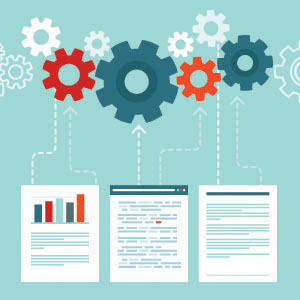
Although you have taken the time to translate your content into other languages, can your target customers find it? Reaching customers requires more than just translating pages. Many companies are realizing they also need to consider optimization for search engines, or SEO, in order to have the greatest reach to international markets.
SEO in a nutshell focuses on words and phrases in the target language that will act as keywords. Keywords will be picked up by search engines and get your content noticed, so they should be words and phrases that your customers would use when searching for your product or service online.

Your translation partner should be experienced with this important tool, therefore making your website content SEO savvy. Resist the temptation to use someone you know who speaks the target language without knowledge of how to properly use SEO. A web translation that is SEO optimized should contain varied content, so ensure that your translation does not have the same words over and over again. There should be several synonyms to keep the content interesting and engaging.

Using effective keywords will help drive web traffic. Consider carefully the words and phrases that might be used by customers when searching and ensure you properly capture these keywords in the target language. A good translator will know idioms, industry terms, and any slang that may be used.

Title tags and meta descriptions should also be translated. The title tag is the descriptive headline you see in a search result. The meta description tells what the website is about. These are both important as they give your customers or web browsers a snippet of what your company or product is about and invites them to click for more information. Relevant tags will drive people to your website.

You should also consider adding a target language blog to your website to increase traffic and connection with customers. A blog creates interest and is the perfect marketing tool. By creating a comments section, you can engage directly with your website visitors and gain a reputation for being helpful and knowledgeable about the products you sell.

SEO consideration in all languages will help to connect your company to those interested in your products and services anywhere in the world. An effective professional website will build your reputation, help your company engage with customers, and maximize your sales.

Terralíngua is an ISO-certified professional translation company that has worked for some of the world’s leading brands. Let us help your company put your business on a global platform. Please visit our website and contact us to discuss your translation and localization requirements.

What Is a CAT Tool and the Benefits of Using One?

What Is a CAT Tool and the Benefits of Using One?

What Is a CAT Tool and the Benefits of Using One?Many have heard of translation memory (TM), but few may know how one is created. A Computer Assisted Translation (CAT) Tool is a program that assists translators with their work and enables them to build translation memories to remember words, phrases and terminology to be used again on further topics in the future. CAT tools work by presenting the text in small, easily manageable segments which are then saved in the translation memory along with the source text so translator can access the segments at any time.

There are many different CAT tools available, such as MemoQ, Across, Idiom, XTM and Wordfast, but one of the most widely used nowadays is SDL Trados Studio. Though translators may use different CAT tools, there is a translation memory format that is universally supported and can be exported and imported by all of them: .tmx extension.

What Are the Benefits of a CAT tool?

Costs

An important benefit is a significant cost reduction. A translation provider will look at the following before supplying a quote:

  • • New Words – This is completely fresh content which has not been previously translated.
  • • 100% Matches – A segment of text which is identical and can be used again. This is often the case with multiple instruction manuals which share a common template.
  • • Repetitions – Repeated words or phrases within the text.
  • • Fuzzy Matches – These are similar words or phrases that are generally matched between 75% and 99% to be useful.

For example if a company wants to translate a manual similar to one they produced two years ago, they will want to ensure the existing translation memory is used for the proposal. If translation memory is used in the analysis, they will only be charged the full word rate for any new additions and the other similar and exact text will be charged at a heavily reduced rate. Therefore a brand new manual at a fraction of the cost thanks to the use of a CAT tool.

Consistency

It is vitally important to keep documents consistent – whether it is a guide, manual or brochure. The wording and your company message should be similar throughout. Terminology, product names and abbreviations should be the same style to establish your brand.

A CAT tool ensures you are not tied to one translation provider. Should a deadline or budget require using another resource, a translation memory created from the CAT tool will ensure that another will keep the same terms and existing content. Even if you do not have a CAT tool, your provider should provide a copy of the translation memory for your records upon request.

Creation

Every company that produces materials in another language should work with translation memories. A CAT tool is able to build a translation memory for you by aligning the source and target text if you already have translated material without using a CAT tool before. A translation memory is also the ongoing repository of preferred terms and wording. When review comments are returned, the translation memory should be updated and maintained as well.

Errors

A CAT tool has error tagging verification, much like spell check or grammar check in MS Word, which are also available. Spelling, formatting errors, and missing translations will create flags to inform the translator, thus creating a double quality assurance check.

Faster Turnaround Time

As the translator is working through a file, the CAT tool will suggest similar words or content which could be used. This saves time and enables the translator to complete the translation faster. For example the turnaround time to complete a manual similar to a previously translated one would be considerably less than the original file.

Source Files and Formatting

Translated files come in various formats and often include photographs and graphics. A CAT tool enables the translator to work in a number of different source files, which is particularly useful if a customer has only a PDF source file and the translated version has to be recreated. A CAT tool will allow the translator to deliver the target language document in the same format as the source language when working with editable formats like MS Office, although some formatting adjustments may be required.

Though they may only be well-known to translators, CAT tools are valuable to anyone translating material. They primarily assist translators with the day to day management of tasks but they also create a priceless database called the translation memory, which maintains your company’s localized material with all of the preferred terminology and the related investment.

Terralingua

Terralingua provides translation and linguistic support to the world’s top brands. With 16 years in the industry and ISO certification, we have extensive translation and localization experience. Visit our website or call us to discuss your translation requirements with one of our representatives.

Desktop Publishing and Translation

Desktop Publishing and Translation

You have a PDF file, and you need it in another language. The quote comes back with a line item for desktop publishing. What is it?

Translation and localization projects are more than just changing the text for the target audience: they also include adapting the layout. Adjusting the source document to create the same look and feel in another language requires desktop publishing. Desktop publishing or DTP is the use of layout software combining text and images. Desktop publishing documents may be used for desktop or commercial printing or electronic distribution including PDF, slide shows, email newsletters, epub, and the Web.

Is It Important?

If your provider offers desktop publishing it means that they have the ability to work with the source file format to return the same output. Desktop publishing is an important step in creating a localized version of the document. It takes time to properly format the translated text in layout, especially if space considerations were not anticipated.

Translation can cause the original text to expand or shrink. For example, English to Spanish has an expansion factor of 25%. 1,000 words in English can correlate to 1,250 words in Arabic. Conversely, there is also a shrinkage or contraction to consider. 1,000 words in English can contract to 900 words in Danish. English to Finnish can contract as much as 30%.

To get the same look, you need someone experienced with multilingual desktop publishing who can modify the source file to create a print-ready target file. The PDF you have was generated from a layout software program. There are many different programs that may be used to generate a PDF such as Word, FrameMaker, Illustrator, QuarkXpress, InDesign and many more.

The original software uses what is called the source file format, which is often not widely shared in an organization. A PDF file is sufficient for distribution and printing purposes and is manageable in size. The source file (it may also be called the native or original file) is used if document modifications or updated revisions are necessary. The source file can be very large in size due to graphics and may have supporting files such as fonts. Usually the source file can be found with the graphic artists or publications department in an organization.

Even if you only have a .pdf file, an experienced graphic artist can recreate the layout. Images and fonts may be needed for higher resolution outputs, but a quality PDF can be replicated without the source file. This does require extra time, so it is always best to locate the source file if possible not only for quality sake but time and cost as well.

If you are making an investment for a professionally translated file it is best to also ensure that the layout is handled by someone experienced. A translation service provider will have a native speaker ensure all text reads properly in the final format. You may save money with a text-only return but may end up with an out-of-sync document if you have a non-native speaker placing the text in layout. If you want your translated version to be professional, then formatting and text should be picture perfect.

What Does Desktop Publishing Include?

  • • Changes to columns, tables, and graphs
  • • Text related to graphics and photos
  • • Font changes to match the target language, especially for languages that read from right to left such as Arabic or Hebrew.
  • • Recreating .pdf files
  • • Expanding or shrinking text layout
  • • Anything else necessary to make the document polished and professional
  • How Can I Keep Costs Down?

    • • Ensure the original document has a simple design; try not to embed images or too many photos in different sizes especially if there is related text.
    • • Make sure you have enough space for the expansion of the text, otherwise the line spacing or font size may have to be reduced and the look may not be as close to your original text as you would like.
    • • For ease and consistency, it is best to use style sheets.
    • • Make sure your font supports the characters in your target language; otherwise it may have to be changed.
    • • Supply all the original files, including supporting images and fonts. Remember when using columns to make them wide enough to accommodate the target language, otherwise it will appear messy.

    Is There Anything Else I Should Consider?

    • • Consider how abbreviations or acronyms should be addressed in the target file. Provide information regarding these terms.
    • • Advise if you want imperial and metric measurements to be used together or metric only.
    • • Check to ensure the contact information (address, phone number, etc.) is appropriate for the target audience or if it should be changed.

    Most important is to use a service provider with experience in both translation and multilingual desktop publishing. When using translation tools such as translation memory, the translator will need to export text and properly import it back into the layout. A seasoned provider will be able to do this seamlessly.

    When you receive your translation proposal with the desktop publishing line item, hopefully it will now make sense why multilingual desktop publishing is worth its weight in gold.

    Terralíngua is a translation service provider that has worked with some of the world’s top brands. Providing translation, localization, and multilingual desktop publishing services, we only use native speakers who have a deep understanding of the country’s culture and are experts in their field. If you need assistance sharing your message on a global platform, please visit our website.

    The Translation Process

    The Translation Process

    The Translation ProcessDocument translation may seem to be a one step process: you pass along a file to convert into another language. However, a successful end result is dependent upon a thoroughly thought out protocol.The first step that should be considered when having your documents translated is the careful selection of the translator. A translation company is usually selected with future volume considerations and multiple language requirements as the main determining factors.

    When selecting a translation partner, a reputation for quality is crucial. A standard for quality assurance is the ISO 9001 certification. ISO certification is based on eight quality management principles which include customer focus, continual improvement and mutually beneficial supplier relationships. Companies must pass a rigorous evaluation and audit every year to maintain their certification.

    Many translation companies also utilize LISA-based standards (Localization Industry Standards Association) to evaluate translators and ensure quality. LISA standards use a scorecard system to check for crucial elements such accuracy, consistency and style, and errors are marked as minor, major or critical. This is part of the QA process which is completed before a translated document is sent to a client. Beyond assuring final quality, this system provides continual evaluative feedback for the linguists involved.

    Once you have selected a partner, ensure you follow these steps before starting a project.

    Gather Source Files

    Before you send out a file to the translation company, ensure that you have the source editable file as well as all of the related documents. This should include any images and fonts.

    Give Thought to Cultural Considerations

    It is important to look carefully at your material, especially photos, to ensure they will be relevant and not offensive or confusing to the target audience. This part of the process is considered the localization of content.

    Ensure Adequate Space

    Many languages have an expansion rate, meaning it requires more words to express the same idea. Brazilian Portuguese is one language to consider with an expansion rate. Therefore it is important to leave enough layout space in your brochure, manual, booklet or web page. Your translation agency can advise on the approximate amount of language expansion space required.

    Have Clear Content

    Make sure that content is free of ambiguities. Do not use idioms, as they do not always translate well. Make sure the writing is as simple as it can possibly be, without compromising your professionalism. Also avoid using references to places or people in the source language, as they may not be well-known or even not known at all in the target language.

    Be aware translation providers will not translate slogans or tag lines unless you provide a localized version. Improperly localized tag lines and slogans can be a public relations nightmare. Large global companies here like Schweppes, Pepsi and Kentucky Fried Chicken, amongst others have made missteps regarding their localized tag lines.

    Provide Reference Material and Assist with Glossary Creation

    Before starting work a translation partner will appreciate any approved previously translated material for reference and consistency sake. If you have a translation memory, please provide it. Your translation partner will create a glossary of terms for a trusted reviewer to confirm. This will ensure your translation partner uses the same terminology those in the field such as sales people and distributors are using. It is important to have a consistent message.

    Give the Go Ahead

    Once you have given the go ahead, your translation partner will assign your work to the best qualified team. Your provider should use a team who has the proper qualifications such as education, training or professional background as well as is a native speaker of the target language. The team will have expertise in the field, so they know all of the technical jargon and nuances of the language.

    We hope these guidelines will help direct your translation procedures to produce relevant, effective material in any language.

    As a global translation company, Terralingua has worked for some of the world’s top brands. We provide translation and localization services in all languages. If your company would like more information on how we can be of assistance, please visit our website for contact information and to request a quote.

    Why Should My Company Care About Translation Memory?

    Why Should My Company Care About Translation Memory?

    Why Should My Company Care About Translation Memory?Though you may not even be aware, if your company’s material is translated, odds are a translation memory has been used to create the localized material. An essential question you should ask anyone or any agency who is working on your translation is if a translation memory tool is being used. If a translation memory is being used, it is important to ensure an updated copy is kept for your company’s records, even if you do not own the software. Having ownership of a quality translation memory ensures term consistency and time savings even if you have to change providers.

    This article will provide more insight as what translation memory is and how it will benefit your company.

    What Exactly Is Translation Memory?

    Translation memory is an essential tool used by professional translators. Many confuse machine translation or MT with translation memory or TM. Translation memory is not machine translation but a time saving utility through which the translator accepts or rejects database suggestions much like spell check or grammar checks are used in Word.

    Translation memory tools create a database to store aligned source and translated text in segments. These segments contain sentences, lists and titles that have been used in your previous translation work. For example if you translate instruction manuals, you probably use some of the same words and phrases every time you write a new manual. Each language will have its own database aligning the source and target language.

    When a translator uses a memory tool it matches any new text to existing translations in the database. Suggestions are then provided as to how these segments were translated in past material. The translator can then choose to accept and insert the matching segment in the current work or modify the segment to create a new entry.

    How Do We Know If We Have a Quality Existing Translation Memory?
    The translation memory is a reflection of the finished translation. Even if you do not speak the language, a trusted reviewer can provide insight as to the quality and acceptability of the localized version.

    If the completed translated material contains the proper terminology and reflects approved content, it is essential to ensure that TM database is maintained and used for future translations. This ensures term consistency and captures repetitive text for discounted per word pricing.

    However, if the translated material contains incorrect terminology and is overall of poor quality, you will want to ensure either that database is corrected or destroyed to ensure future translations will not contain the same issues.

    Using a translation tool means that words and phrases you have used in the past will be recorded in the database as segments. Every time a new translation is started, the software will search its memory for an exact or similar translation which is called a match.

    There are four matching types:

    1. • New words – As the title suggests, these are segments that are not currently in the database. It is recorded as the first occurrence of this segment.
    2. • Exact or Perfect Matches – These matches are 100% identical segments that have been previously used.
    3. • Repetitions – When a document contains several words or phrases that are identical, but not already in the Translation Memory.
    4. • Fuzzy Matches – These are segments that contain similar words and phrases, but are not exact matches. These matches are measured in percentages.

    During the quoting process the document will be evaluated for any matching segments within the file or stored in the given translation memory and the discounted pricing per word should be provided accordingly. Most translators and agencies provide pricing with new, perfect and fuzzy match rates.

    The technical, business, legal and medical fields substantially benefit from a translation memory tool because a majority of their documentation contains very similar wording. Not having to translate documents from scratch increases speed, consistency and quality.

    Does It Matter What Version of Translation Memory Software Is Used?

    There are various translation memory tools available. The best known and most widely used product on the market is Trados. Companies usually do not purchase translation memory software unless they have in-house translators who will use the tool.

    An agency or professional translator will also not require your company to purchase translation memory software for their use and should provide a copy of the translation memory database upon request. Your company does not need to own translation memory software to benefit from translation memory or to store databases. Companies often archive a copy of the most recent database(s) to pass along should they use different providers or translators. This ensures consistency and repetitive discounts as other providers will use the database if it is vetted.

    Request a .tmx file from your provider, which is usually universally compatible regardless of the software. Usually your agency or translator will update and maintain this memory at no cost as well so it is essential to pass along any preferential changes that are made after delivery so the memory may be updated as well.

    The top three translation memory brands are Trados, Déjà vu, and Wordfast. The important differences are the ease of use, the file formats that can be processed and of course the cost. All tools usually come with a free 30 day trial. No matter what brand of translation memory is used; it is an essential tool that should not be overlooked. Using TM will ensure consistency, as well as provide time and cost savings which are vital to any organization’s international communication.

    Terralingua is an ISO certified translation company that partners with global businesses to provide translation and localization services. We work with many of the world’s top brands to provide documentation, software and websites in all major languages. Visit our website for more information and to submit pricing requests.

    Why It Is Important to Translate and Localize Your Web Pages

    Why It Is Important to Translate and Localize Your Web Pages

    Why It Is Important to Translate and Localize Your Web PagesThere are 359 million people who speak English as their first language worldwide and there are millions who speak it as a second language or have some basic knowledge. It is tempting therefore for business owners to keep their websites in English no matter where they do business. After all, with great product photographs and simple website content interested customers will get the gist of it, right?

    Yes and no. Yes, they will understand what the product is and where they can buy it; but no, it will not garner you brand popularity or customer loyalty.

    According to Forbes writer Micah Solomon, building a loyal customer base is the “single most important thing you can do for your business.” As he points out in his article, a business needs to know their customers and use the knowledge they gain to build a relationship.

    How is this done through your website? Mainly by engaging your customers with interesting and relevant web content that will have them coming back for more.

    Create posts that they will want to share, which means having quality content, rather than spam type soundbites. Make them want to read every word.

    Use visuals like photographs, videos or infographics along with text. People react well to visuals. Lynell Burmark is the author of a book called “Visual Literacy, Learn to See, Learn to Learn.” She is an expert on the use of visuals. Lynell says that visuals are processed by the brain 60,000 faster than text and using color enhances retention by 75%. That makes a visual presentation a powerful marketing tool and a great way to get noticed.

    Make the most of social media. Create a Facebook page for your business and use it to promote your goods or services as well as to engage with customers. If they ask questions, answer them as quickly as you can. Then you get a reputation for being receptive to customers’ needs.

    Translate your web and Facebook pages. Coming back to the beginning of this article, along with content, translation is one of the most important aspects of your business; especially if you want to do well in a global market. Use a professional translation company who utilize native speakers. They not only understand how to create target language text, but they also understand how to use the language so it does not look like a translation.

    Localize. Get to know the culture of your foreign customers, learn about their likes and dislikes and what they expect from you. Use Facebook or the country’s equivalent social media sites to communicate with them in their language, while respecting their culture.

    Do not forget that, when writing text, the cultural relevancy is crucial. For example if you would have content related to female driving or how beautiful the color white is, if you want to do business in Saudi Arabia or China this could have disastrous results for any future business relationships. Women do not drive in Saudi and white symbolizes bereavement and bad luck for the Chinese.

    Customer loyalty is built through knowledge and trust. Having your website professionally translated and localized are the first steps towards gaining a loyal customer base and properly presenting your products in a global marketplace.

    Terralingua is a professional translation and localization agency, who can help your company create a plan to maximize your localized content. We have worked with some of the world’s top brands and can assist your company with effective communication in a global environment. Please visit our website for further information.